Truck Stop Cargo Theft: Why Rest Areas Are Ground Zero for Freight Crime
Jan 21, 2026
Scroll to explore
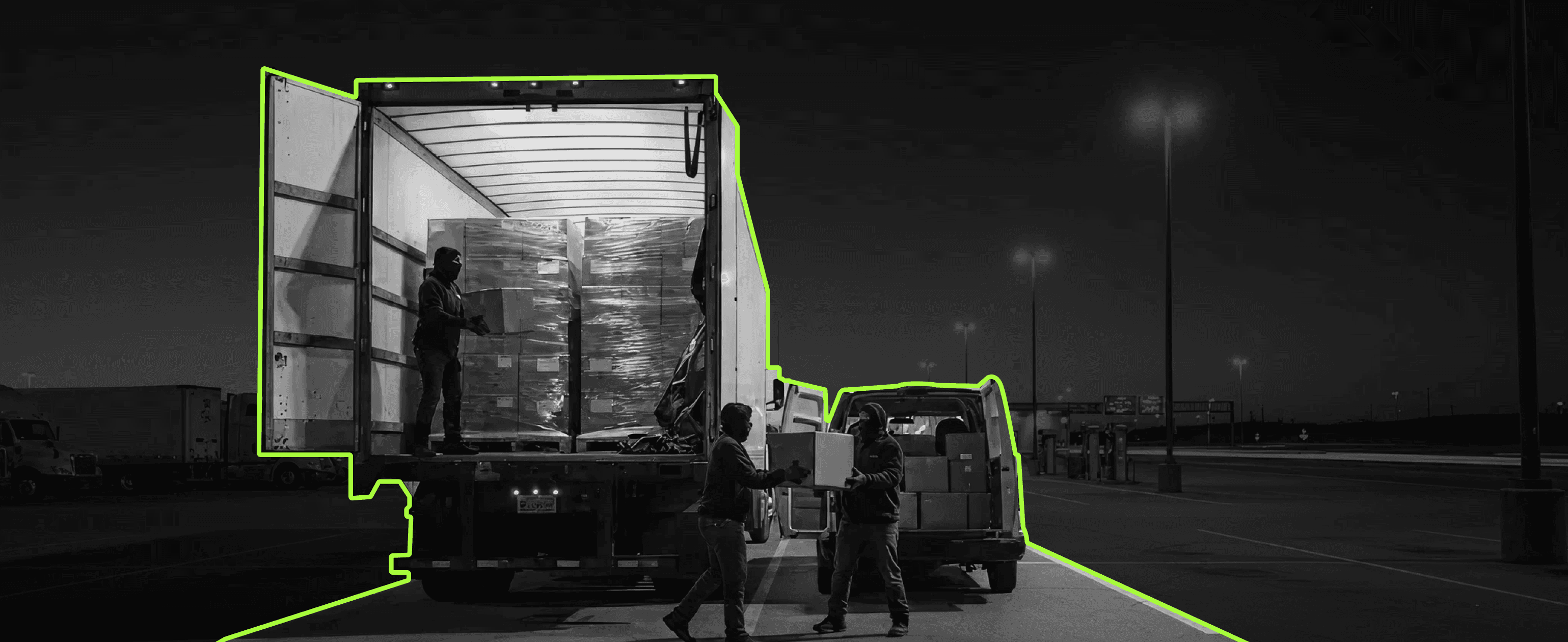
TLDR: Truck stops account for 39% of cargo theft incidents. Thieves use both straight theft (physical break-ins) and strategic theft (fraud and identity theft) to steal cargo worth $202,364 on average. The broker model creates visibility gaps that criminals exploit. Direct carrier connections with verified credentials eliminate these vulnerabilities and reduce the risk of theft. |
Your truck sits at a rest area. Your driver grabs coffee. Fifteen minutes later, $200,000 in freight vanishes.
This isn't hypothetical. CargoNet reports cargo theft incidents jumped 27% in 2024, with truck stops and parking lots ranking as the top locations where thieves strike. The trucking industry loses billions annually to organized theft rings who've turned rest areas into hunting grounds.
Why Do Cargo Thieves Target Truck Stops?
Thieves often choose truck stops because the math works in their favor. Drivers must rest. Trucks sit unattended. Security is minimal. According to Chubb research, 39% of all theft incidents occur at truck stop locations and highway rest areas—more than any other type of theft location.
The economics are brutal: food and beverages lead targeted commodities at 22% of incidents because they're easy to resell before spoilage. Electronics follow close behind. A single trailer of consumer goods can net criminals $500,000+ that disappears through secondary markets within 48 hours.
High-Risk Areas | % of Incidents |
California (I-10/I-40 corridors) | 35% |
Texas (I-20 near Hutchins) | 22% |
Memphis corridor | 14% |
Arizona-California border stops | Rising sharply |
Cargo Theft Tactics: How Criminals Strike at Rest Areas
Cargo theft trends reveal two distinct attack methods, and both thrive at truck stops.
Straight theft is the physical approach. Thieves may cut locks, steal an entire truck and trailer, or pilfer cargo while a trucker sleeps. Follow crews track trucks from departure points, waiting for drivers to stop. The moment your truck sits unattended in unsecured parking, you're a target. Experienced criminals can breach a trailer in under 15 minutes.
Strategic theft uses fraud instead of force—and it's exploding. Criminals impersonate legitimate carriers using stolen credentials, pose as legitimate carriers on a load board, and legally pick up freight that was never theirs to haul. This type of cargo theft has surged 1,500% since 2021 because thieves never have to touch a lock.
A fraudster might monitor load boards for high-value shipments, steal the identity of a legitimate trucker or trucking company, then coordinate a fictitious pickup. The shipper hands over truck cargo believing everything checks out. Days later, the freight is gone. Double brokering scams work similarly—a scammer accepts your load, re-brokers it without authorization, and disappears with payment.
The Broker Blind Spot: Why Traditional Freight Networks Fail
Here's what most cargo theft prevention guides won't tell you: the traditional broker model creates the visibility gaps criminals exploit.
When freight brokers manage your logistics, communication flows through intermediaries. You can't verify who actually picked up your load. You don't know exactly where your driver stopped or who's near your truck. This information blackout is the vulnerability—not just the lack of physical security measures.
Carriers and brokers often don't share real-time data. Motor carriers may subcontract without disclosure. FMCSA records get outdated. A carrier's CDL and credentials might check out initially, but continuous verification rarely happens. Fraud and cargo theft thrive in these gaps.
The Federal Motor Carrier Safety Administration is overhauling its registration system with Motus, designed to provide 'fraud-resistant security features' after the agency acknowledged that fraud and freight theft have reached 'unprecedented levels. Until then, the burden falls on shippers to vet every carrier relationship—or work with platforms that do it automatically.
Theft Prevention Tips: Steps to Protect Your Freight
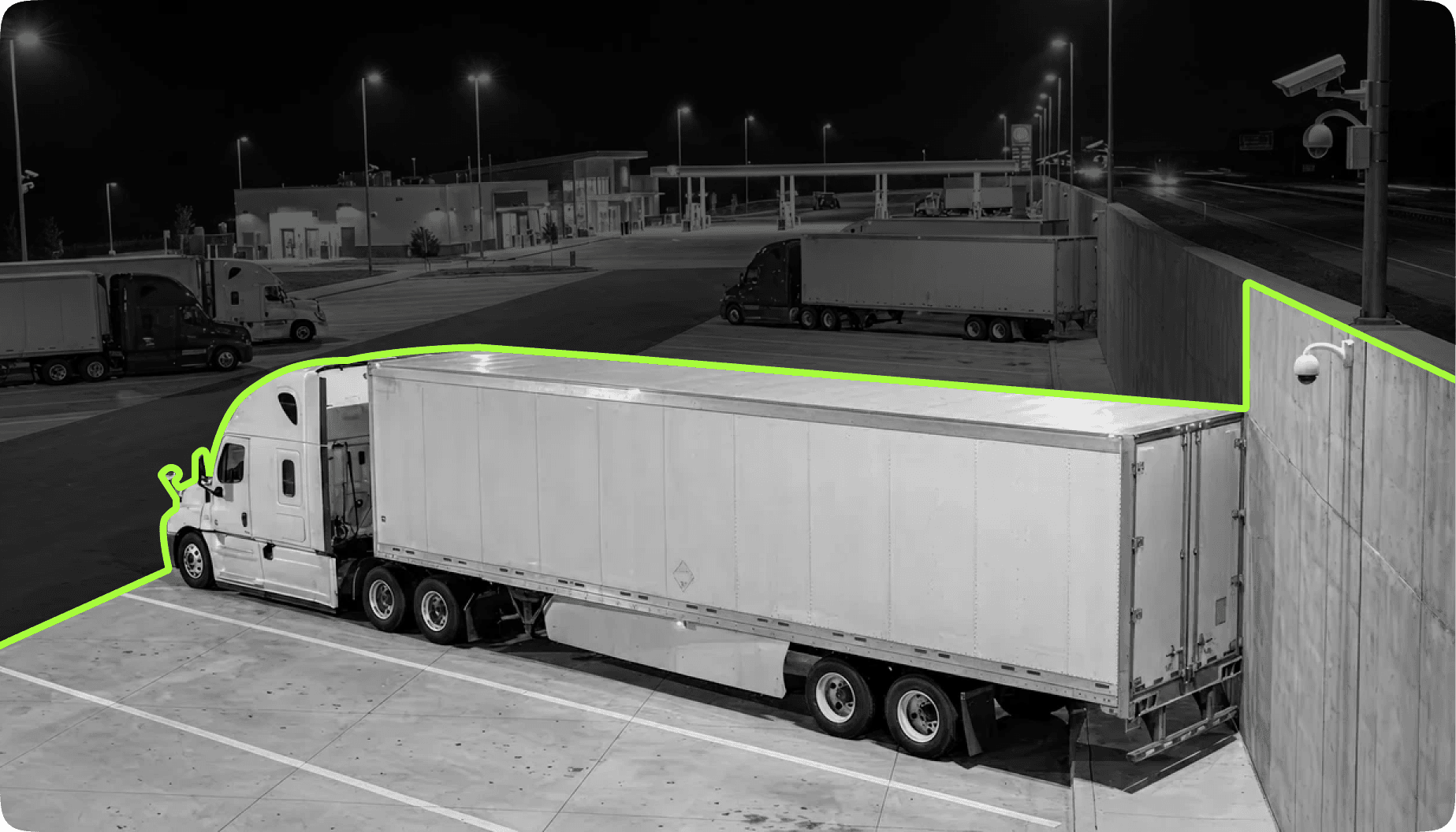
Effective cargo theft prevention combines driver awareness, technology, and carrier verification. Here's what actually works:
For drivers and owner-operators: Never stop within 200 miles of departure—thieves often follow trucks from pickup locations. Choose secure parking with lighting, cameras, and foot traffic. Back your trailer against a wall so doors can't be accessed. Stay aware of your surroundings—report anyone acting suspiciously near your truck to authorities. These prevention tips dramatically reduce the risk of becoming a target.
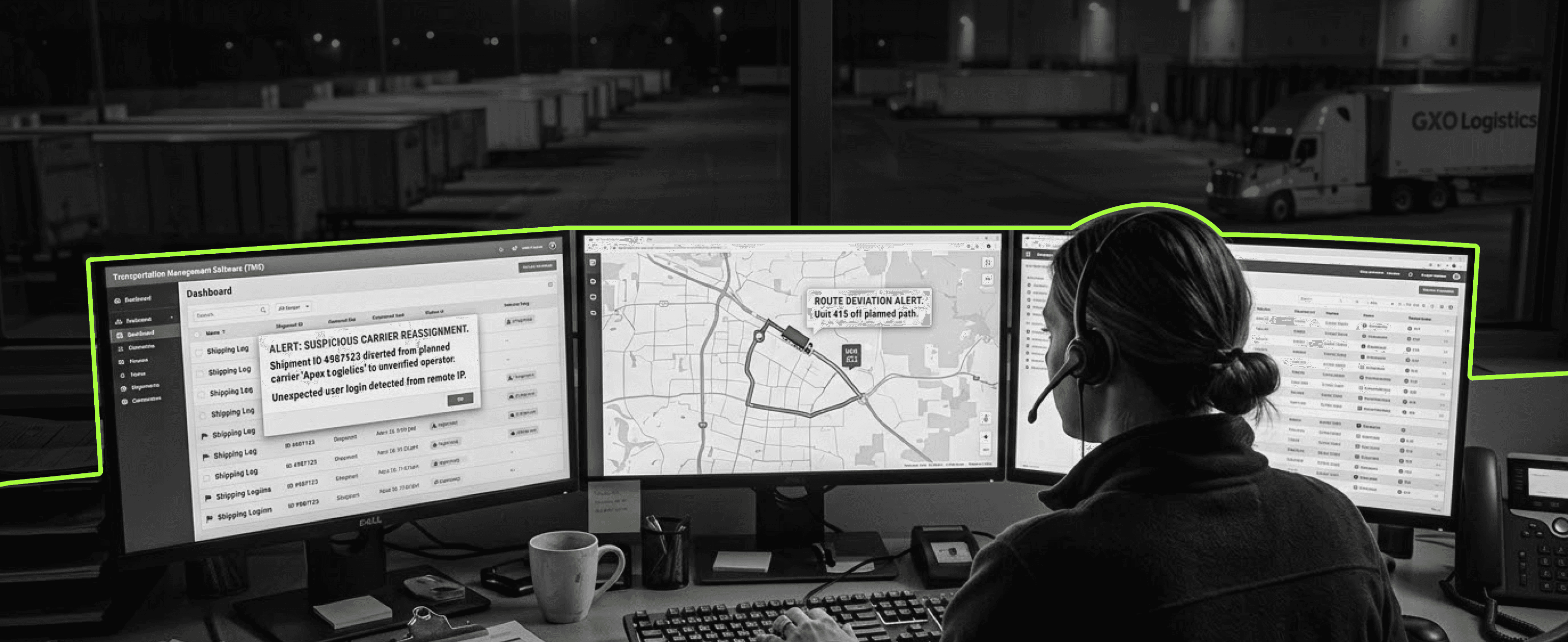
For shippers: Implement GPS tracking with geofencing that triggers an alert when routes deviate. Require photo verification of driver credentials at pickup. Use covert tracking devices in high-value loads. Consider cargo insurance that specifically covers organized theft scenarios. Review your bills of lading procedures—document manipulation is a common attack vector.
For carrier vetting: Go beyond basic FMCSA database checks. Verify physical addresses, cross-reference DOT numbers, and watch for phishing attempts targeting your credentials. Industry associations like CargoNet provide threat intelligence. But the most effective approach? Eliminate the broker gap entirely through verified direct connections.
How Technology Eliminates Truck Stop Vulnerabilities
Cargo security isn't just about hardware. It's about infrastructure that makes fraud impossible.
HaulerHub's five-layer carrier compliance system addresses every vulnerability that enables truck stop cargo theft:
• Real-time DOT/MC validation against FMCSA databases
• Continuous insurance verification (not just at onboarding)
• Safety rating and accident history monitoring
• Physical business legitimacy checks
• Driver background verification
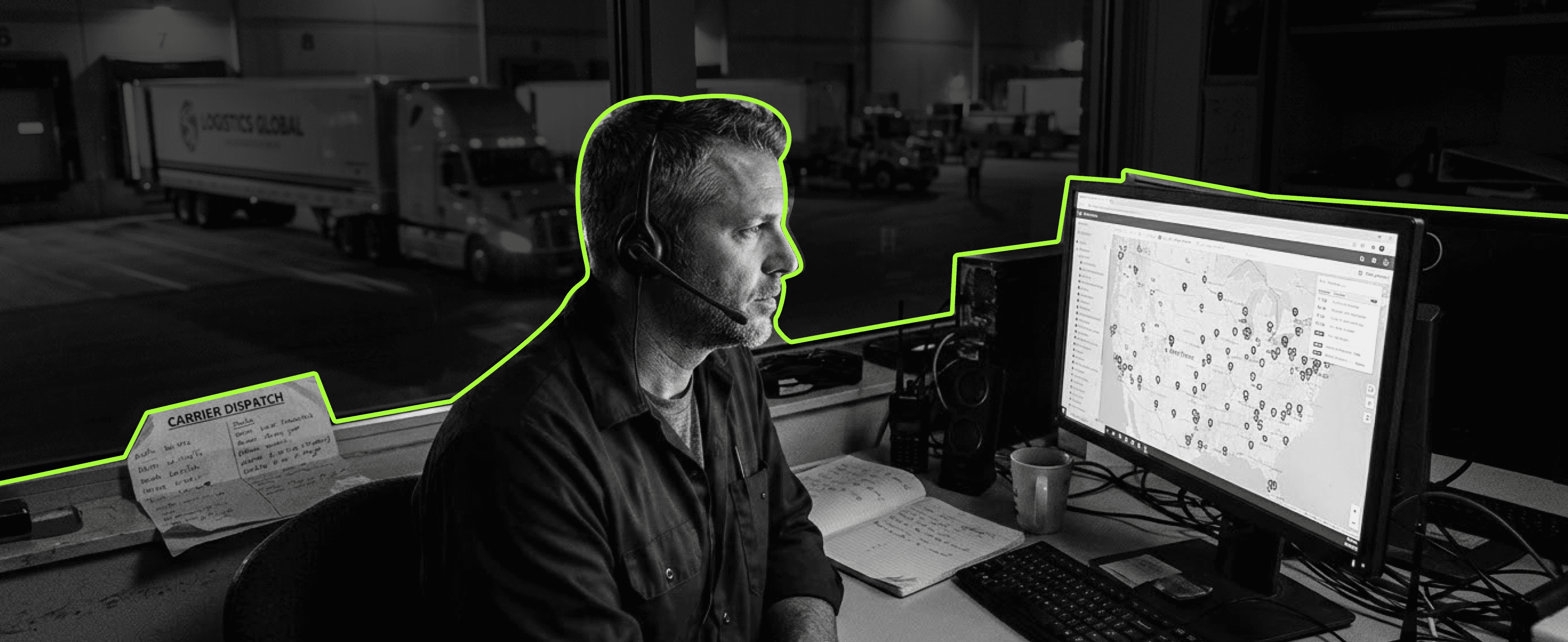
Direct shipper-carrier connections eliminate the handoff gaps where theft thrives. You know exactly who has your freight, can communicate directly with drivers, and track every mile without playing telephone through intermediaries. When you remove the broker blind spot, you remove the vulnerability.
Key Takeaways
• Truck stops account for 39% of cargo theft—the highest of any location type • Thieves use both physical theft and fraud-based strategic theft at rest areas • The broker model creates information blackouts that criminals exploit • Prevention requires driver awareness, technology, AND verified carrier connections • Direct connections eliminate the visibility gaps where fraud thrives |
Protect Your Business from Cargo Theft
The old ways of moving freight—fragmented broker networks, outdated vetting, communication gaps—are exactly what cargo thieves count on. HaulerHub's verified direct connections give you complete visibility, continuous carrier compliance, and the security infrastructure the trucking industry needs.
Stop gambling on unverified carriers. Download our free Carrier Fraud-Risk Scorecard—the same 100-point evaluation system that catches red flags before thieves get your freight. Score identity verification, insurance standing, operational history, and behavioral warning signs in minutes.
Checkout other blogs

Stay ahead of the supply chain.
Break free from costly and complex systems. Sign up with HaulerHub now and make shipping a breeze.