Best Uber Freight Alternatives for 2025: Comparing Digital Freight Brokerage & Transportation Management Systems
Dec 10, 2025
Scroll to explore
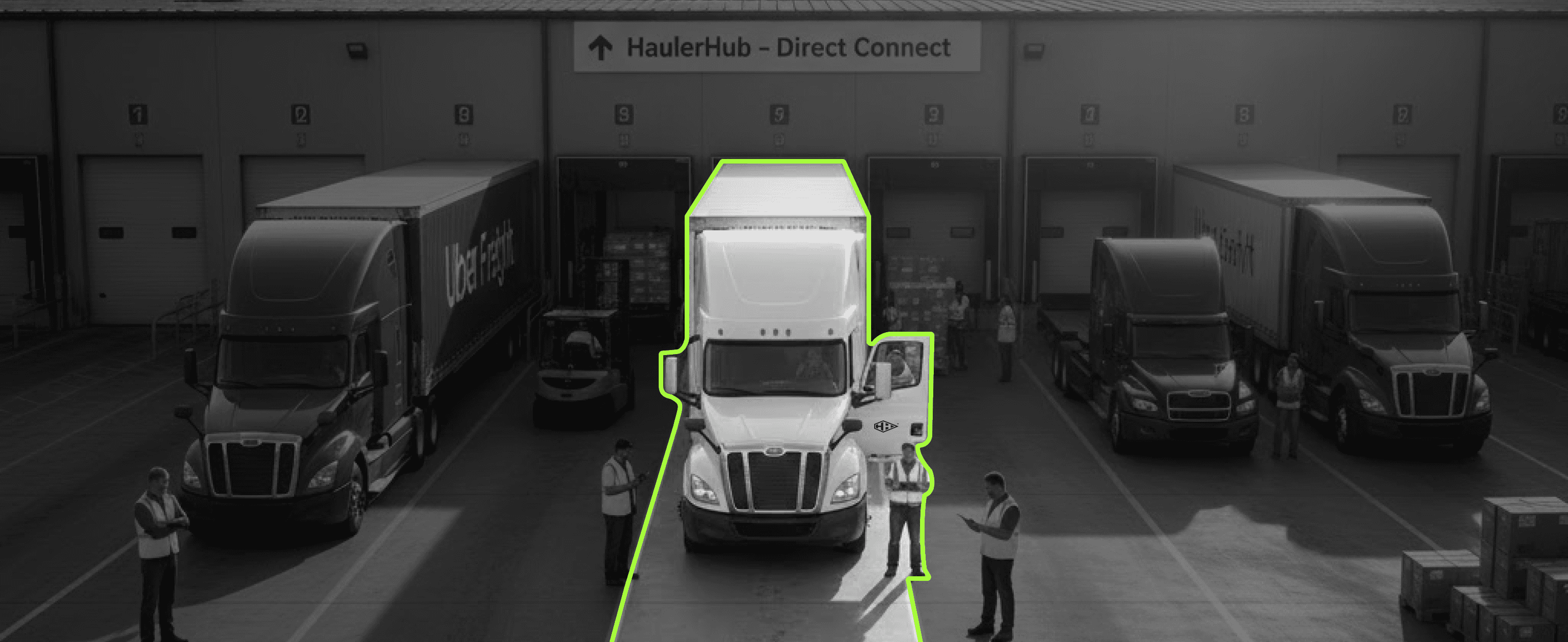
Another notification: driver canceled, load stranded, customer service unavailable. Sound familiar?
According to FreightWaves industry analysis, Uber Freight posted flat revenue in Q3 2025 while reporting negative EBITDA. User reviews cite 6-8 hour response times, frequent cancellations, and detention pay so complex that only 3% of truck drivers receive full compensation.
This guide covers why shippers are searching for alternatives to Uber Freight, what separates genuine TMS solutions from rebranded brokerage, and how to find the best platform for your supply chain operations in 2025.
TLDR: Shippers are leaving Uber Freight due to poor customer service, unreliable capacity, and hidden complexity. Modern alternatives like HaulerHub, Convoy, and specialized TMS platforms offer superior transparency, real-time tracking, and direct carrier connections that save time and money while enhancing efficiency.
Why Shippers Are Searching for Uber Freight Alternatives and Competitors in 2025
The shift away from Uber Freight isn't about technology—it's about reliability.
Customer Service Breakdown
Multiple sources report systematic failures leaving shippers stranded. When drivers don't arrive for scheduled pickups, outsourced support teams lack authority to resolve issues, offering only to "escalate via email." For time-sensitive shipments, this represents unacceptable risk.
Hidden Costs
Carriers now pay 2.5% fees for quick payment (previously free), and detention pay requires completing multiple steps within 24 hours. Deloitte's 2025 Transportation Outlook notes that transparency means little when accountability disappears.
Capacity Reliability
Shippers report rates "so cheap, the appointment confirmation is unreliable"—with no notification until an hour before pickup that no driver was found.
Issue | Impact | Frequency |
Last-minute cancellations | Stranded shipments | Very High |
Support delays | 6-8 hours for requests | High |
Payment complications | Carrier relationship damage | Medium-High |
Fraud/double-brokering | Lost cargo | Medium |
Understanding Digital Freight Brokerage: TMS vs. Traditional Freight Broker Models
Not all competitors and alternatives to uber freight platforms operate identically. Understanding the difference between a transportation management system and a digital freight broker plays a pivotal role in selecting the right solution.
Three Platform Models
Digital Brokers (Uber Freight, Convoy): Act as intermediaries matching shippers and carriers, taking transaction fees.
Transportation Management Systems (Trimble): Software enabling shippers to manage their own freight operations, integrating with ERP systems for end-to-end solutions.
Direct Connection Platforms (HaulerHub): Eliminate traditional freight brokerage by creating transparent marketplaces where carriers and shippers connect directly.
Why This Matters
Traditional third-party logistics providers take 15-30% margins. Digital freight platforms reduce this to 8-15%. Direct connection models can reduce total logistics costs by 10-25% by removing these layers entirely.
Essential Technology Stack
Real-time load matching and capacity visibility
Integration capabilities (API, EDI) with existing procurement systems
Mobile apps for truck drivers with geofence detection
Automated documentation and compliance tracking
Direct communication between shippers and carriers
Find the Best Uber Freight Alternatives: Convoy, Transplace & Supply Chain Solutions Compared
Convoy: Uses machine learning for freight matching and automated reload planning to reduce empty miles. Strong sustainability focus, but user reviews indicate similar customer service challenges.
Transplace: Now part of Uber Freight following acquisition, raising questions about true alternatives in the competitive landscape.
C.H. Robinson: $11.7 billion in 2024 revenue. Their Navisphere TMS combines technology with human broker relationships. Higher costs for personalized service.
Echo Global Logistics: Hybrid approach blending technology with human expertise for complex supply chain management needs.
Transfix: AI-driven route optimization and lane-specific pricing. Strong performance for dedicated lanes, limited spot market flexibility.
Platform | Model Type | Best For | Pricing |
HaulerHub | Direct Connection | Mid-sized shippers, transparency | Lower fees |
Convoy | Digital Broker | Sustainability-focused | Market + fees |
C.H. Robinson | Traditional + Tech | Complex, high-touch | Premium |
Echo Global | Hybrid | Specialized freight | Mid-high |
Transfix | AI Broker | Dedicated lanes | Competitive rates |
The key question: do you want a freight broker with better technology, or technology that eliminates the broker?
HaulerHub vs. Uber Freight: Freight Matching, Automation & Transportation Management for Delivery Services
HaulerHub wasn't built to be a better Uber Freight—it was built to solve problems all digital freight brokerages create.
Direct Connection vs. Digital Intermediary
While Uber Freight connects you to their carrier network, HaulerHub connects you to your carrier network. You build relationships with trusted carriers, negotiate rates, and maintain control. The platform provides five layers of carrier compliance, smart BOLs to prevent fraud, and real-time tracking—but relationship ownership stays with you.
What the Platform Delivers
Direct in-cabin communication with drivers via mobile app
GPS tracking with geofence notifications
Automated appointment scheduling synced to your warehouse
Payment processing with free QuickBooks integration
Private network management for long-term carrier partnerships
Real Cost Comparison
Factor | Uber Freight | HaulerHub |
Platform fees | 8-15% | 3-5% |
Quick payment | 2.5% fee | Free |
Support | Limited outsourced | Direct communication |
Carrier relationships | Platform-controlled | Shipper-owned |
How Modern Management Systems Are Transforming Global Supply Chains

The logistics sector is restructuring. According to McKinsey's Global Logistics Report, companies that leverage intermodal freight solutions and end-to-end visibility platforms outperform competitors by 15-20% on key metrics.
Beyond Single-Mode Transportation Services
Modern platforms orchestrate global logistics across multiple modes—truckload, parcel, LTL, and international freight forwarding—creating true end-to-end solutions for your entire logistics and supply chain.
Why 2025 Is the Inflection Point
Capacity tightening as older truck drivers retire
Regulatory changes increasing compliance complexity
Shipper demand for sustainability metrics
Technology maturation making implementation accessible to mid-market
The Integration Imperative
Your TMS must integrate with your ERP, warehouse management system, and carriers' systems. This seamless data exchange enables the streamline operations that turn logistics from cost center to strategic advantage.
Transitioning to Competitors and Alternatives: Your 2025 Implementation Roadmap
Phase 1: Audit Current State (Week 1-2)
Document what works, what fails, where costs hide, which carriers you trust.
Phase 2: Pilot Low-Risk Lanes (Week 3-6)
Test with 10-15% volume on predictable lanes. Monitor on-time rates, cost per mile, communication quality.
Phase 3: Expand to Core Operations (Week 7-12)
Migrate primary lanes. Watch how support responds to problems—this predicts long-term satisfaction.
Phase 4: Optimize (Ongoing)
Build custom workflows, preferred carrier networks, and predictive analytics.
Critical Success Factors:
✓ Executive sponsorship
✓ Clear KPIs tied to business outcomes
✓ Training budget for staff and carrier partners
✓ 60-90 day learning curve patience
Conclusion: Control Your Destiny
The exodus from Uber Freight signals a broader awakening. Shippers realize technology should empower them to make informed decisions, not lock them into dependent relationships.
Your Next Steps—Ask:
Who owns the carrier relationships?
What happens when something goes wrong at 3 AM?
Can I see real-time data to optimize my business?
Does this platform scale with me?
The freight transport industry is evolving rapidly. Companies that thrive recognize technology as empowerment, not just efficiency.
Ready to experience freight management built for shippers, not brokers? Discover how HaulerHub's direct connection platform eliminates middlemen, reduces costs, and gives you complete control over your supply chain solutions. Book a demo today and see why logistics professionals are making the switch.
Checkout other blogs

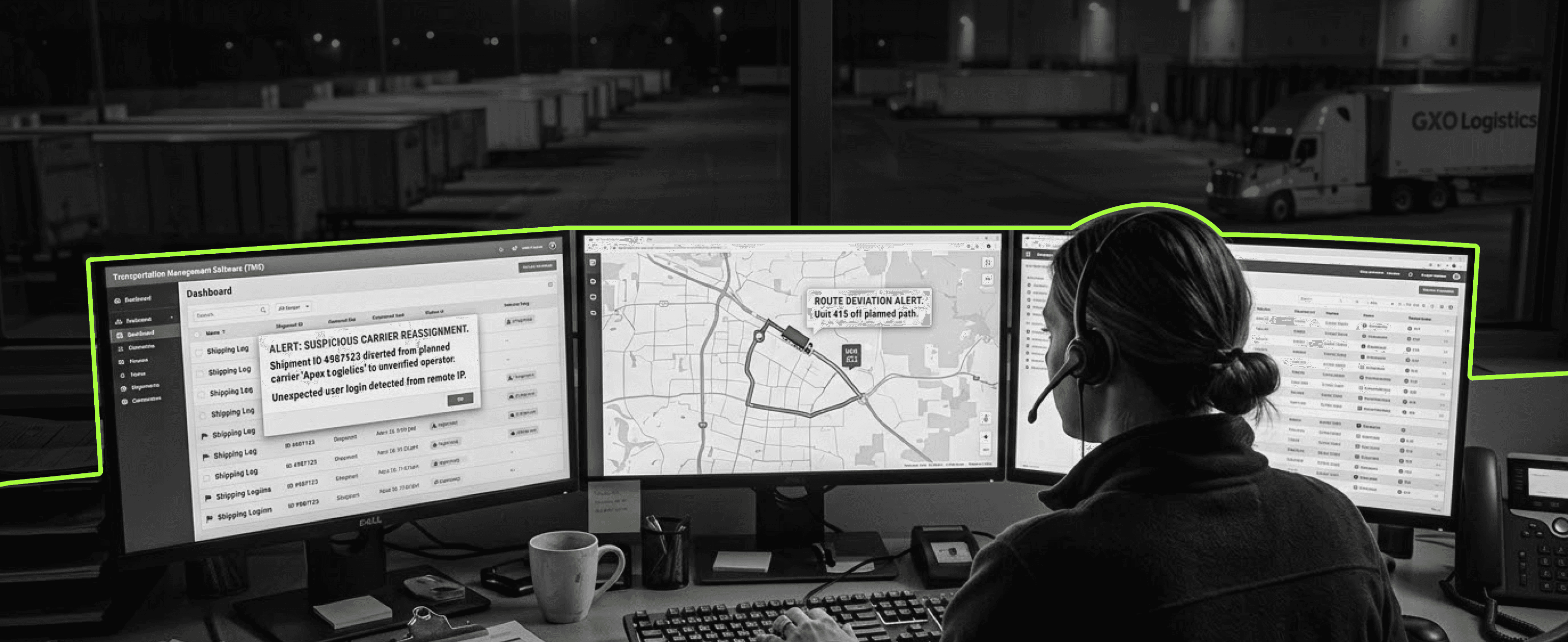


Stay ahead of the supply chain.
Break free from costly and complex systems. Sign up with HaulerHub now and make shipping a breeze.