Reduce Freight Costs in 2025 and Beyond: Tips for Logistics & Supply Chain
Dec 17, 2025
Scroll to explore

TL;DR — Freight Cost Reduction 2025 Summary
|
Your 2025 freight budget just got harder to defend.
Understanding freight costs in the market in 2025 requires facing some uncomfortable numbers. C.H. Robinson's latest forecast projects increases in rates of 3-4% year-over-year, while the American Transportation Research Institute reports operational costs hit a record $1.779 per mile—the highest operating costs ever recorded. For any shipper focused on cost control and improving their supply chain, the pressure is intensifying across every mode from ocean freight to air freight to truckload.
Most guides tell you to consolidate shipments and negotiate better rates. Good advice for shipping efficiency—as far as it goes. But they skip the 25-30% you're paying freight forwarding companies and brokers. The technology to connect directly with vetted carriers exists today. This guide to freight covers the cost reduction strategies that actually move goods efficiently while delivering substantial cost savings to your bottom line.
The carriers that survived the brutal 2024-2025 freight downturn are exactly the partners you want. But they won't stay available forever as freight volumes increase. The window to lock in direct relationships and reduce your freight costs is closing.
Freight Costs in 2025: Rising Freight Costs and Freight Market Forecast
Before diving into how to reduce freight costs, let's examine what's driving freight prices higher. The 2025 freight landscape looks fundamentally different from the oversupplied market conditions shippers enjoyed during the recent downturn.
Capacity is tightening. After two years of carrier attrition, the supply-demand balance is shifting. According to C.H. Robinson's November 2025 market update, shipping rates are trending upward with continued increases expected. Whether you're shipping internationally or domestically, costs may rise significantly without proactive cost reduction measures.
Transportation costs keep climbing. New FMCSA rules on Commercial Driver's Licenses are constraining supply. The American Transportation Research Institute's 2025 report shows the true cost per mile rose 3.6% to $1.779—a record high. Driver benefits jumped 4.8%, labor costs increased, and insurance premiums hit new records. While lower fuel costs provided some relief, carriers operating on thin margins can't absorb these freight cost increases indefinitely. Base rates will continue rising as carriers pass through these costs significantly to shippers.
Key Takeaway: The favorable shipper's market is ending. Cut costs now before freight rate increases fully impact your overall freight spend and supply chain budget. |
Now that you understand what's driving prices, let's examine opportunities for cost savings that deliver real results for logistics operations.
Reduce Freight Costs: Cost Reduction and Optimization for Shippers
Smart shippers distinguish between controllable and uncontrollable expenses. You can't control fuel costs, tariffs, or carrier expenses. But you can control the 25-30% markup that intermediaries add to every shipment—and that's where the biggest opportunities for cost reduction exist.
Controllable expenses you can target:
Intermediary markups — 25-30% added to every load by brokers (biggest opportunity to lower costs)
Carrier network structure — consolidate for lower rates and priority capacity access
Accessorial charges — reduce shipping cost per unit with better visibility into shipping operations
Billing errors — conducting regular freight audits catches overcharges (specialized freight audit services can help)
Technology gaps — digital freight platforms and ai freight tools that enhance shipping efficiency
Packaging costs — right-sizing packaging for shipping container optimization reduces dimensional weight charges
These form the foundation for sustainable freight management. Achieving freight efficiency costs requires a systematic approach, but the payoff is significant. Next, let's examine how to cut freight costs through structural changes that deliver the biggest impact.
Cut Freight Costs with Supply Chain Optimization
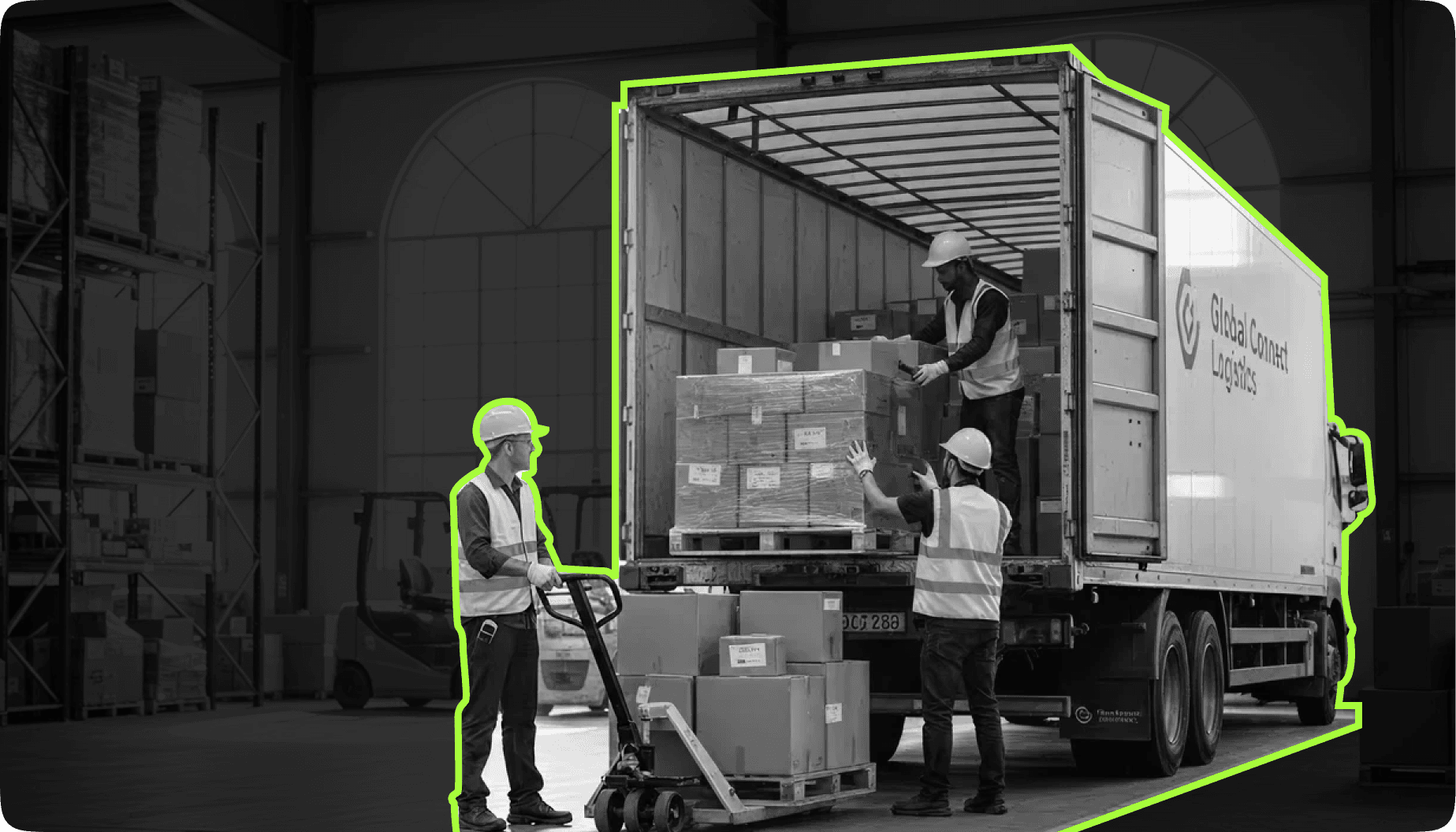
The fastest way to reduce costs is eliminating broker intermediaries. Traditional brokers charge 25-30% of your freight shipping costs—on a $2,000 load, that's $500-$600 not going to the carrier who actually moves your shipment. Direct shipper-carrier connections deliver the same service level at 7-10%—that's supply chain transformation that drives real savings.
What direct carrier connections deliver:
Real-time visibility into freight operations—know exactly where your shipment is at all times
Direct carrier communication—no telephone game through intermediaries
Faster payment cycles (7-14 days vs. 30-45)—carriers prefer direct shipper relationships
5-layer carrier verification—reduce fraud exposure and protect your logistics investment
Consolidate your carrier network to refine freight procurement and costs by consolidating volume with fewer partners. Concentrating shipments with strategically selected carriers gets you better contract rates and capacity priority. The carriers who survived the recent downturn are operationally efficient and eager for direct relationships that meet their shipping needs for consistent volume.
Key Takeaway: Eliminating intermediary markups delivers 15-25% savings—the single biggest way to lower shipping costs and achieve freight cost reduction for your supply chain. |
With structural changes addressed, let's explore optimizing freight through operational improvements that compound these savings.
Optimizing Freight Operations: Shipping Cost Savings and Logistics Efficiency
Beyond structural changes, operational optimization compounds your savings. These tactics work best when combined with direct carrier relationships.
Real-time visibility reduces shipping costs by preventing expensive accessorials. When you can track shipments and communicate directly, you avoid detention charges and redelivery fees that inflate cost per unit. Comprehensive visibility transforms reactive firefighting into proactive management. McKinsey research shows organizations using predictive analytics achieve up to 20% costs and improving logistics efficiency gains.
Load optimization lowers costs by eliminating wasted capacity. Whether you're working with truckload or LTL, consolidating shipments reduces your cost per shipment. Digital platforms use intelligent matching to move freight efficiently by identifying consolidation opportunities automatically.
Mode selection matters. Not every shipment requires the same approach. Matching shipment characteristics to the most cost-effective transportation management option—expedited vs. standard, intermodal vs. truckload—delivers measurable savings without sacrificing service. This logistics optimization helps you save on fuel costs while maintaining delivery performance.
Conducting Freight Audits and Transportation Management to Reduce Shipping Costs
Conducting freight audits is essential for reducing freight expenses. Many shippers discover 2-5% of their spend comes from billing errors—duplicate charges, incorrect accessorials, and spot and contract rates violations. That's money going directly back to your bottom line through systematic review.
Transportation management technology varies dramatically in value. The critical question: does your TMS enable direct carrier connections to lower freight, or perpetuate broker dependency? Platforms built for integrating freight directly—with API/EDI integration and real-time rate comparison—amplify structural savings. Avoid solutions that simply digitize the same 25-30% markup model.
The distinction matters: "Digital brokerages" put a tech veneer on the same markup structure. True innovation eliminates intermediaries entirely. When evaluating technology, ask: "Does this reduce my true freight spend, or just make paying markups more convenient?"
Freight Budget Forecast: Lower Shipping Costs Calculator
This calculator shows the cost savings from eliminating intermediary markups at various spend levels:
Annual Spend | Broker Cost (25%) | Direct Platform (7-10%) | Annual Savings |
|---|---|---|---|
$500,000 | $125,000 | $35K-$50K | $75K-$90K |
$1,000,000 | $250,000 | $70K-$100K | $150K-$180K |
$5,000,000 | $1,250,000 | $350K-$500K | $750K-$900K |
These numbers represent structural savings alone. Add operational optimization and total savings can exceed 25% of current spend. The question isn't whether these strategies work—thousands of shippers are already capturing them. Let's look at how to implement these changes quickly.
Guide to Freight: Reduce Freight Costs in 2025 in 90 Days
Strategy without execution is wishful thinking. This 90-day roadmap helps you implement 2025 freight savings before the market fully tightens.
Days 1-30: Foundation
Audit current spend—identify total broker fees paid over 12 months across all modes
Map your carrier network—which carriers delivered best performance? Worth developing directly?
Evaluate direct platforms—compare pricing models vs. traditional broker approaches
Days 31-60: Pilot
Select 3-5 high-volume lanes for direct carrier testing
Run 20-50 loads through direct connections—track all costs and service metrics
Document savings vs. broker baseline—build the business case for expansion
Days 61-90: Scale
Expand to additional lanes based on pilot results and carrier performance
Negotiate direct contracts with top-performing carriers for guaranteed capacity
Update budget forecast with new baseline reflecting achieved savings
Ready to Lower Freight Costs and Eliminate Broker Markups?HaulerHub connects shippers directly with verified carriers—no markup, full visibility, complete control over your freight.
|
The logistics landscape in 2025 is shifting. Shippers who act now—establishing direct carrier relationships before market conditions fully tighten—will capture savings while competitors still pay the intermediary tax. Don't wait for rising freight costs to force the decision.
HaulerHub: Less Hassle. More Haul.
Checkout other blogs



Stay ahead of the supply chain.
Break free from costly and complex systems. Sign up with HaulerHub now and make shipping a breeze.